AI art looks magical. A few words typed into a box, and boom—an image that looks like it came straight from a museum. It’s fast, futuristic, and fascinating. But beneath that glow hides something darker. Why is ai art bad? People think it’s progress. But sometimes, progress can erase what makes us human.
Behind every AI-generated image lies someone’s stolen creativity, mountains of energy waste, and a cultural shift that’s changing what “art” even means. Let’s go deep—deeper than the algorithms. Let’s break down how does AI create art, why it’s shaking the art world, and what really happens when machines start to dream.
Is AI Art Really Art?
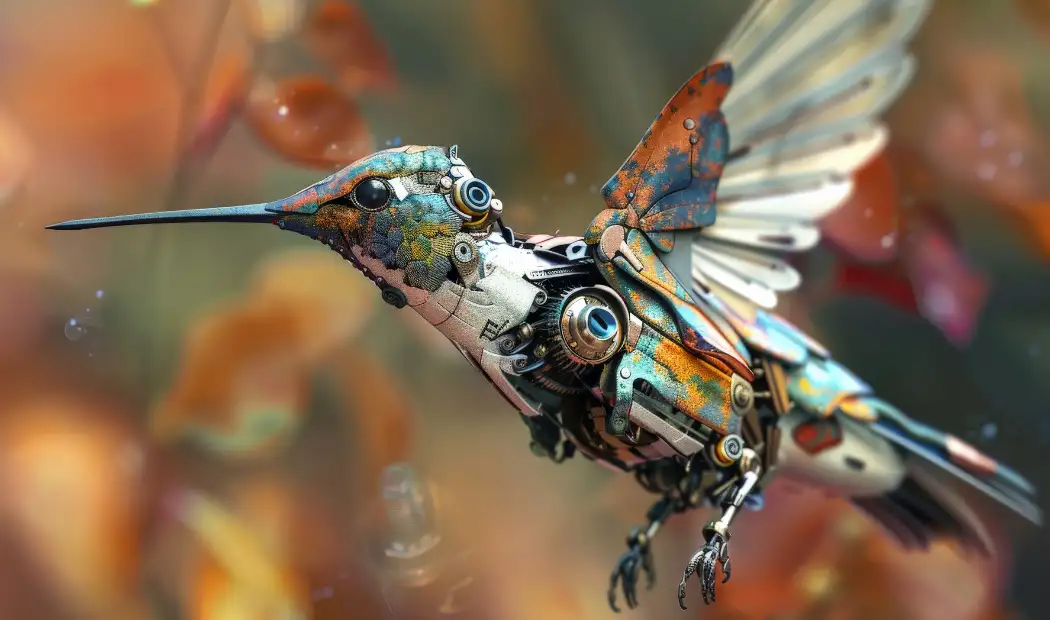
This question burns through creative circles: is AI art really art? Art isn’t just visuals. It’s storytelling. It’s emotion. It’s the chaos of a feeling turned into color. AI doesn’t have heartbreak. It doesn’t have nostalgia. It doesn’t crave meaning. AI art may look stunning, but it’s hollow. It has no artist behind it—only code. Real art has fingerprints, imperfections, and emotional fingerprints that tell a story. AI art? It’s sterile perfection. It’s like comparing a hologram to a heartbeat. The hologram looks flawless but feels like nothing. That’s the tragedy behind the trend.
How to identify ai art ?
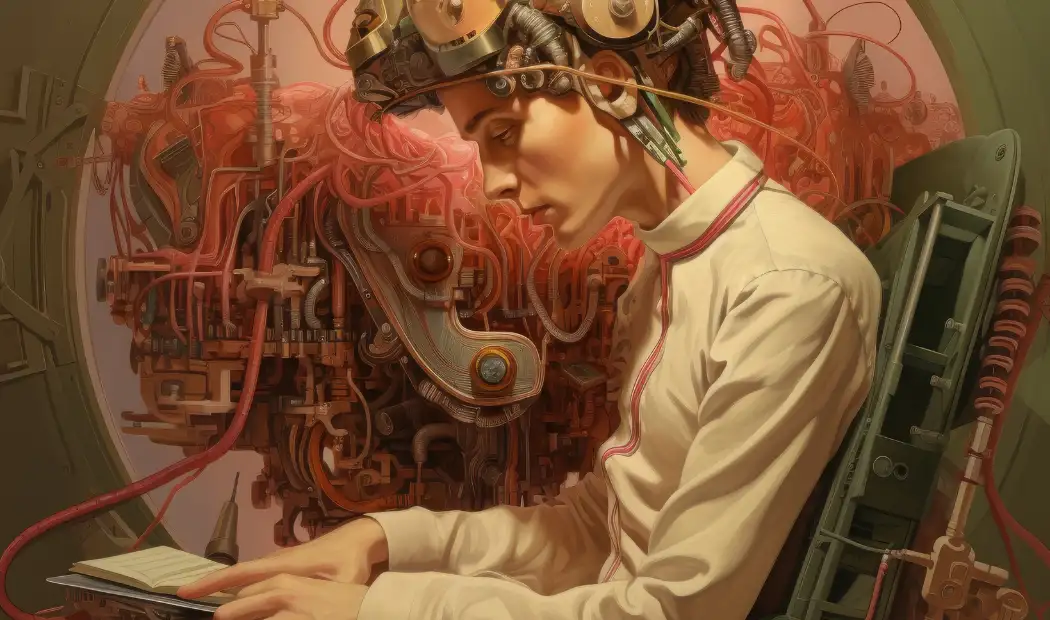
The digital world is tricky. You’ve probably seen AI images thinking they’re hand-drawn. Here’s how to identify ai art before you get fooled:
- Look at Hands and Eyes: Hands and eyes are where AI often slips up. Look closely—are there too many fingers, melted knuckles, or fingers bending weirdly? Do the eyes look blurry or uneven or have strange reflections or pupils? Real artists understand anatomy and emotion, but AI can’t quite get that human imperfection right. The hands and eyes almost always expose the machine behind the masterpiece.
- Inspect the Background: AI backgrounds can look fine at first glance, but zoom in and you’ll spot chaos. Letters turn into nonsense, shapes float with no logic, and objects merge in impossible ways. If you see signs, books, or text that look almost readable but aren’t, that’s an instant AI flag. Backgrounds are where the algorithm goes wild.
- Check Texture: AI-generated art often looks overly polished. Skin appears too smooth, glass reflects unrealistically, and fabrics lack natural folds or shadows. There’s a slick, “plastic” feel that doesn’t happen in traditional or digital hand-drawn work. Real artists add grit, grain, and depth—AI tends to miss that imperfect charm.
- Zoom In on Details: AI art falls apart under a microscope. Zoom in and you’ll spot strange merges—like earrings fusing into hair, necklaces blending into skin, or clothing textures that suddenly vanish. Shadows may fall the wrong way, or light sources might not match. These tiny flaws are dead giveaways that something synthetic is at play.
- Watch Symmetry: AI has an obsession with balance and symmetry. Perfectly aligned eyes, evenly spaced hair strands, flawless faces—it all feels too neat. Real human artists leave small inconsistencies that add authenticity and character. If an image feels eerily perfect, it’s probably AI flexing its precision a little too much.
How Does AI Create Art?
So how does ai art work? Let’s go a bit technical—how do ai make art? AI uses something called diffusion models. It starts with random noise—literally static—and then gradually shapes it into an image based on your prompt. It repeats this millions of times, guided by patterns it learned from its training data. That’s why AI can “paint” so fast. It doesn’t draw line by line—it statistically predicts what the image should look like. The irony? AI doesn’t even see the art it makes. It only calculates probabilities. That’s how does ai art works at its core—a brainless genius. Smart, but sightless.
AI Art vs. Human: Who Wins?
Before diving into the actual question of why AI art is bad, Let’s do some comparisons to understand more accurately.
→ Emotions: Human vs AI
Human art resonates because of the artist’s lived experience and emotional presence. AI art is like an echo: it can repeat patterns but never the soul behind them.
| Aspect | Human Art | AI Art |
|---|---|---|
| Emotional Depth | Captures love, grief, joy, loneliness | Can mimic emotions visually but cannot feel or understand them |
| Uniqueness | Every brushstroke carries personal thought | Generated from patterns in existing art; lacks personal presence |
| Longevity | Lasts centuries, evokes timeless fascination | Visually impressive but emotionally shallow |
| Imperfections | Messy, flawed, and authentic | Flawless, uniform, artificial |
→ Art vs. Algorithms: Who wins?
AI is a tool, not a replacement—but unchecked reliance can threaten the livelihood and relevance of human artists.
| Impact | Positive | Negative |
|---|---|---|
| Employment | Artists can use AI as a creative tool | Jobs for illustrators, designers, and photographers are at risk |
| Creativity | Inspires new ideas and experimentation and even supports abstract art. | AI may encourage formulaic, derivative designs |
| Market | Speeds up content creation | Oversaturation may devalue human-made art |
⇒ Challenges for Human Artists:
- Freelancers lose clients to AI-generated alternatives.
- Agencies cut costs by replacing illustrators and stock photographers with AI tools.
- Online art marketplaces flood with automated designs, making it harder for humans to stand out.
⇒ Opportunities with AI:
- AI can assist artists in concept creation and idea generation.
- Helps non-artists create professional-looking visuals quickly.
So now if we ask you, why is ai art bad? What would you say then? Let’s go a bit deeper into the issue with the pros and cons of the ai art.
Pros of AI Art
Before diving into why AI art is bad, let’s see the benefits of AI art.
1. Speed and Efficiency
AI can create artworks in seconds or minutes that might take a human artist hours or days.
Ideal for businesses needing quick visual content like marketing, book covers, or social media graphics.
2. Cost-Effective
Reduces the need to hire professional artists for simple or repetitive projects.
Makes art accessible for startups, indie creators, and hobbyists on a budget.
3. Creativity Boost
AI can generate novel ideas or combinations that humans might not think of.
Can inspire human artists, acting as a collaborative tool rather than a replacement.
4. Customizable and Versatile
Can produce art in any style—realistic, abstract, anime, digital painting, or photorealistic.
Easy to tweak prompts to generate variations until you get the desired output.
5. Accessibility
People without formal art training can produce professional-looking artworks.
Helps visually impaired or non-artists express creative ideas.
6. Learning and Experimentation
Artists can experiment with different styles, color palettes, and compositions quickly.
Useful for concept art, prototypes, or brainstorming ideas.
Cons—Reasons Why AI Art Is Bad
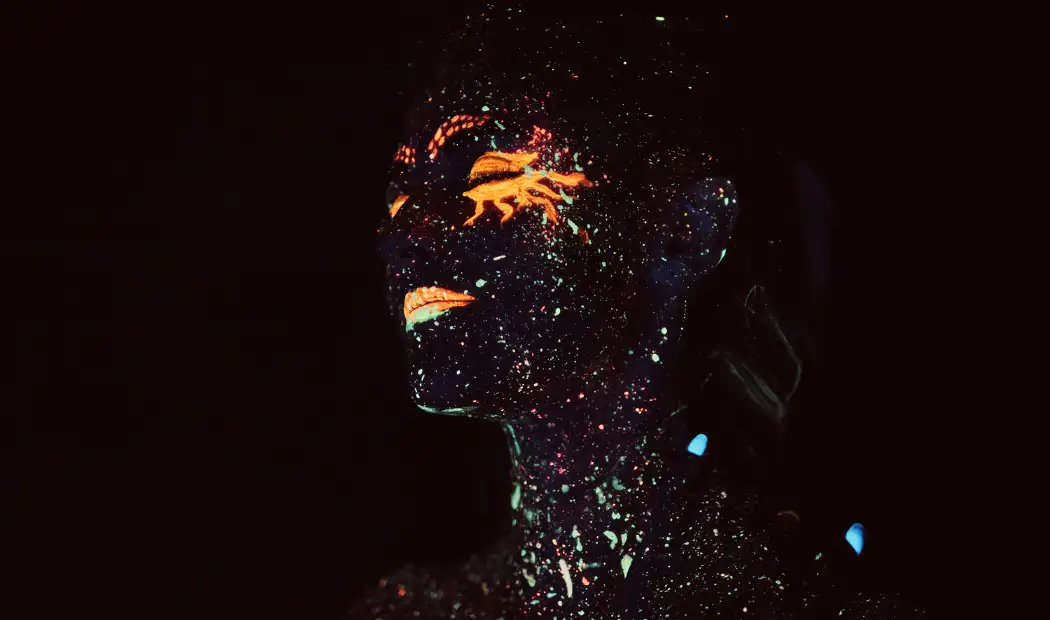
You must be having a lot of thoughts about AI art why is it bad?
1. Lack of Originality
AI creates art by learning from existing artworks.
Raises concerns about originality, copyright, and whether the AI “creates” or just remixes.
2. Ethical Concerns
Many AI tools are trained on human-created art without the original artists’ consent.
Can undermine the work and income of professional artists.
3. Limited Emotional Depth
AI often struggles to capture nuanced emotions, cultural context, or subtle storytelling.
Human intuition and creativity can’t always be replaced.
4. Over-Reliance Risk
Relying too much on AI can limit skill development for human artists.
Could make industries dependent on automated tools rather than human creativity.
5. Quality Inconsistencies
AI can produce weird artifacts, odd anatomy, or unrealistic perspectives.
Requires careful prompt crafting or post-editing by humans.
6. Legal and Copyright Issues
Ownership of AI-generated art is still legally murky in many countries.
Using AI art commercially may risk lawsuits if the training data included copyrighted works.
7. Devaluation of Art
Some argue AI art could flood the market, reducing the perceived value of human-created art.
CONCLUSION
So, after everything, why is AI art bad?
Because it takes without asking. It copies without caring. It replaces emotion with efficiency. It drains energy, exploits artists, and reshapes culture in ways we’re not ready for. But AI itself isn’t evil. It’s a reflection of us—our greed for speed, our hunger for perfection, and our laziness to feel.
The fix isn’t deleting AI. It’s redefining how we use it. Let machines assist, not dominate. Let creativity remain a heartbeat, not a calculation. Because the moment art forgets its humanity, it’s not art anymore—it’s just data in disguise.
Looking for awesome paint by number kits? Why don’t you visit Art of Paint by Number?